

Are Insulated Garage Doors Worth It in Chicago Suburbs?
Short version, because you came here for an answer: if your garage is attached to the house or has a bedroom, office, or bonus room next to or above it, an insulated door usually earns its keep in a Chicagoland summer. If it is a detached box where you park the car and store the mower, it mostly does not.
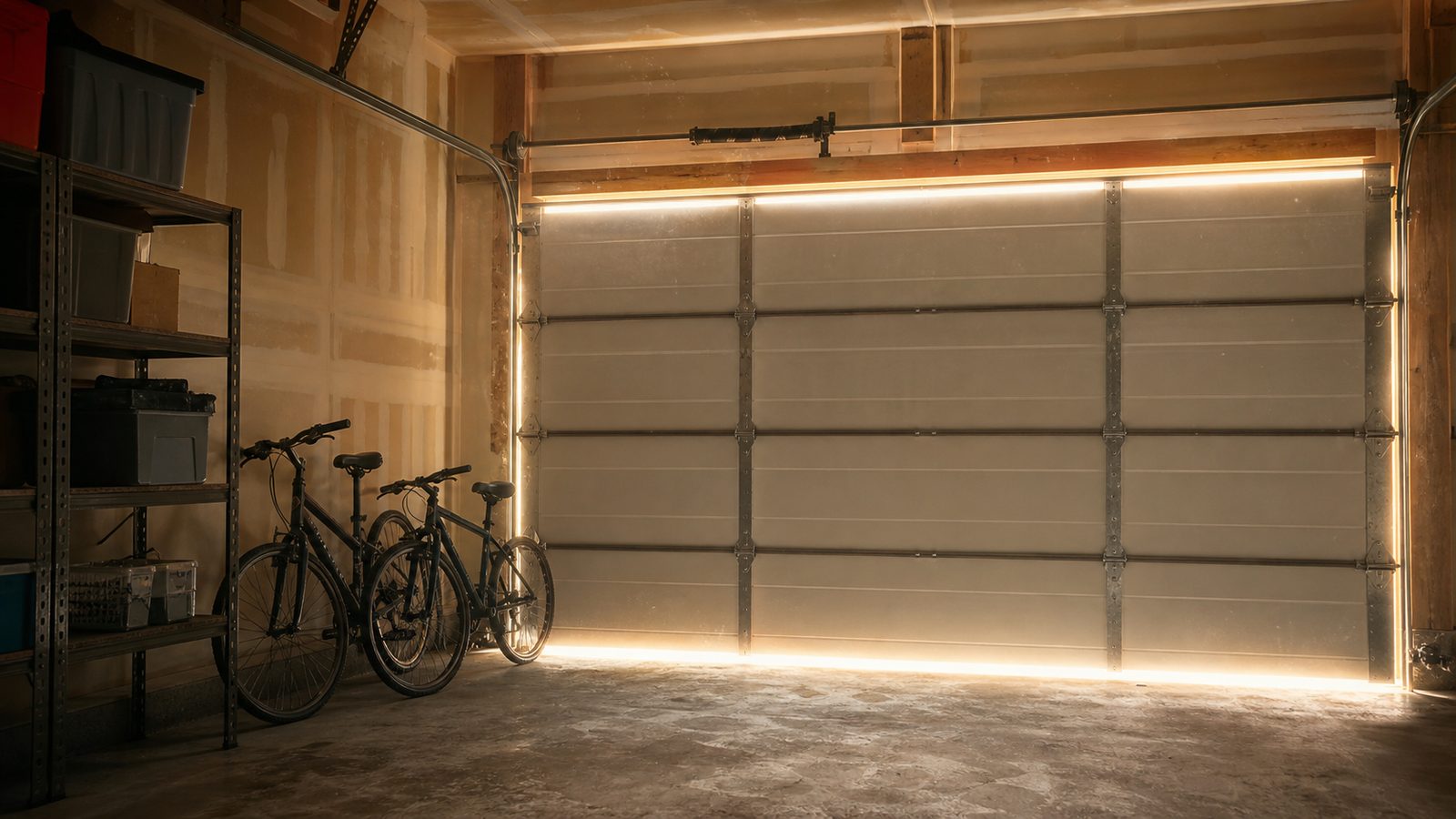
I have pulled apart and rehung a lot of doors across Cook and Lake County, from Wheeling ranches to newer builds in Buffalo Grove and Northbrook. The July call is almost always the same. The attached garage feels like an oven by 3 p.m., the room sharing that wall is stuffy, and the air conditioner never seems to catch up. People assume the door is the whole problem. Sometimes it is a big part of it. Sometimes the door is fine and the real leak is somewhere else. Let me walk you through how to tell the difference before you spend anything.
What R-value actually means on a garage door
R-value measures how well a material resists heat moving through it. Higher number, slower heat transfer. On a garage door that number is quoted for the panel, not the whole assembly, so treat it as a comparison tool between doors rather than a promise about the finished opening.
Two things drive it: how the door is built, and what is inside the panels.
- Single-layer (no insulation): a bare steel skin. Effectively R-0 to R-2. Fine for a shed, rough for an attached garage.
- Double-layer (polystyrene): a steel skin with a rigid foam board and a backer. Roughly R-6 to R-10. A solid middle-ground upgrade.
- Triple-layer (polyurethane): foam injected between two steel skins so it expands and fills every void. Roughly R-12 to R-18, quieter, and noticeably stiffer.
Polyurethane wins on real-world performance because the foam bonds to the skins and kills the little air gaps that polystyrene boards leave behind. It also stiffens the panel, which matters more than most homeowners realize once you factor in door weight later on.
The summer math for an attached garage
In a Chicago-suburb July, a west or south-facing door bakes in afternoon sun. An insulated door will not make the garage cold, but it slows that heat down. In practice an insulated, well-sealed garage tends to run about 10 to 20 degrees closer to a livable temperature than a bare-steel one on the same wall.
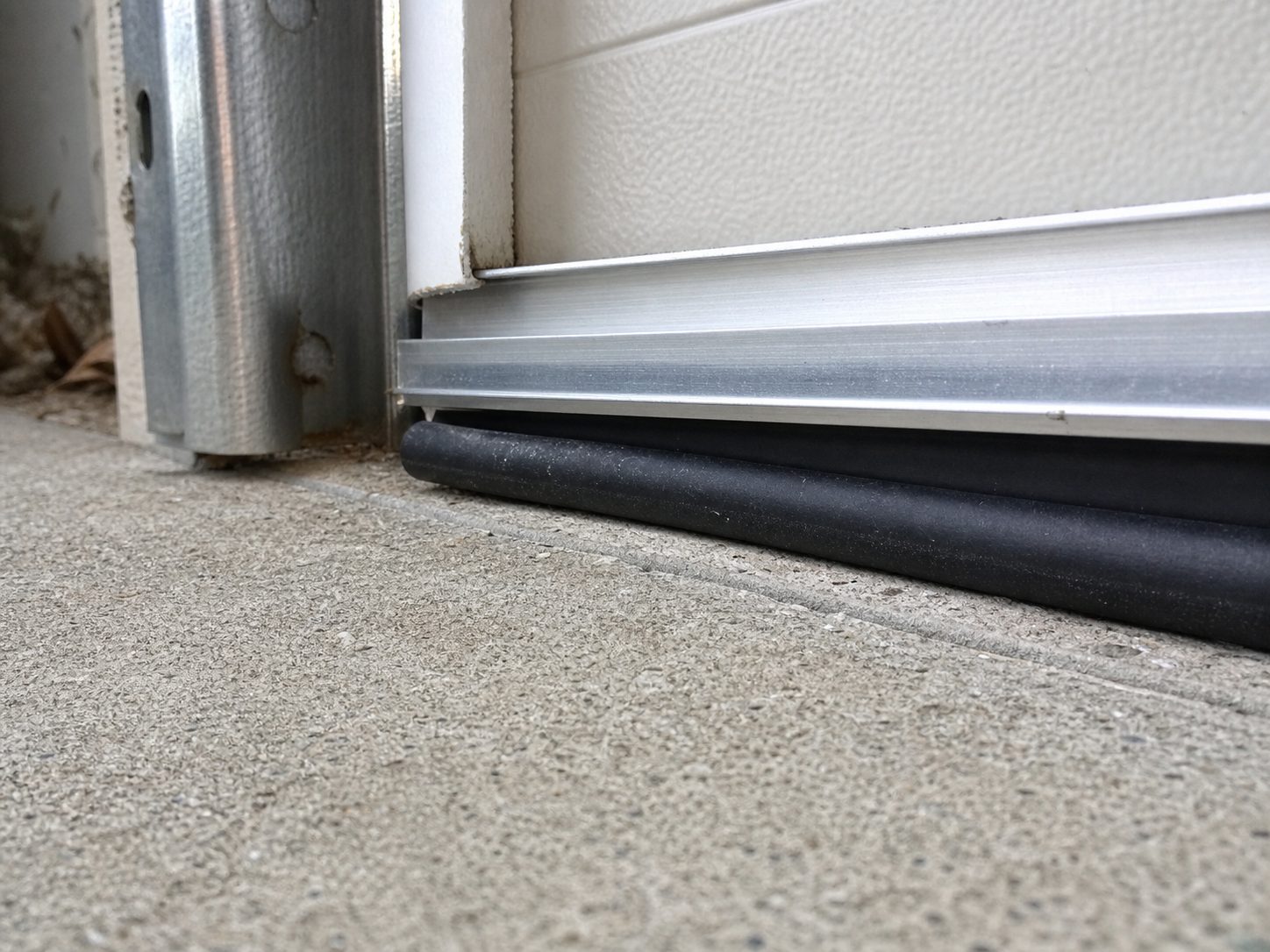
Here is the part people skip. The weather seal does as much work as the foam. If the bottom astragal is flattened or the jamb seals are cracked, you have a two-inch gap of hot outside air walking in under a very expensive insulated door. I check the bottom edge and the perimeter on every visit, because a fresh seal is cheap and it is often the single biggest win.
Does that heat actually reach the house? If the wall between the garage and a living space is poorly insulated, or the door from the garage into the house is a hollow builder unit, yes. Cooling the garage a bit takes the load off that shared wall and off the room next to it. That is where the small, steady savings on air-conditioner runtime come from over a long Illinois cooling season. I would not promise you a specific dollar figure on the utility bill, because it depends on your insulation, your shade, and how you use the space. I will say the comfort difference in the adjacent room is real and immediate.
Real cost numbers in the Chicago suburbs
Prices move with steel and with the size of your opening, but here is the honest range I see on a standard two-car door, installed, in our market right now. A single-car door runs less; oversized and carriage-style doors run more.
Double-layer polystyrene. The value pick for a garage you want more comfortable without going premium.
Triple-layer polyurethane. Quieter, stiffer, best for attached garages and rooms above.
Premium high-insulation and designer builds. Worth it when the garage is finished, heated, or living space.
If a new door is not in the budget this year, an insulation kit and fresh seals on your current door will take the edge off for a couple hundred dollars in parts. It is not the same as a factory polyurethane door, but it is a real improvement. You can see how we price service work on our garage door repair pricing page, and browse the full menu on our all garage door services list if you are weighing repair against a full new garage door installation.
When an insulated door is not worth it
I will talk you out of it when the numbers do not add up. A detached, unconditioned garage in the backyard that you never hang out in does not need R-18. You are paying to insulate outdoor air. Same story if you keep the door open half the day, or if the garage has zero connection to the living space. In those cases put the money toward the door staying reliable instead: good rollers, a tuned opener, and a seal that keeps snow melt and leaves out. Comfort you never feel is not comfort you should pay for.
The part nobody mentions: a heavier door
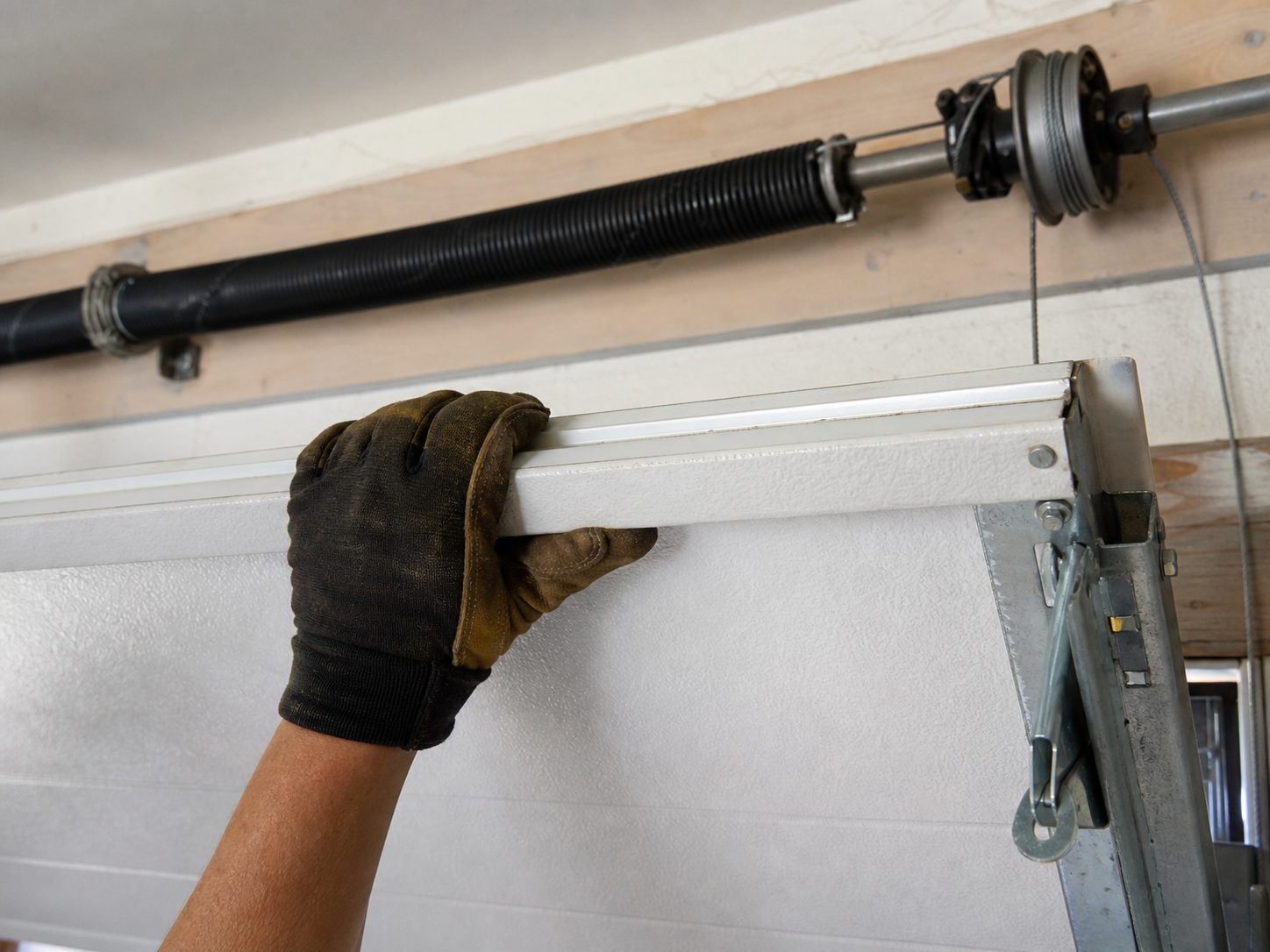
An insulated door weighs more than the bare-steel one it replaces, sometimes 40 to 70 pounds more on a two-car door. That weight has to be carried by the counterbalance. If the installer reuses an undersized torsion spring, the door will feel heavy, the opener will strain, and the spring will burn through its cycles fast.
On a wide insulated door you often want a reinforcing strut across the top section so the panel does not bow, and the drum and cables sized for the new weight. This is exactly why I run a balance test after any door swap: lift it halfway by hand and let go. A balanced door stays put. A door that slams down or rockets up is telling you the spring is wrong.
If your current insulated door already feels heavy or one-sided, that is usually a spring or cable issue, not the insulation. A frayed cable or a slipping cable off the drum throws the whole balance off, and a strained motor points at the opener fighting weight it was never set for. Fix the balance first, then judge the comfort.
A three-step gut check before you spend a dime
- Map the heat path. Stand in the room that gets stuffy. Is it sharing a wall or floor with the garage? If yes, an insulated door has a real job to do. If the garage is detached, temper your expectations.
- Read the current door and seal. Look for a manufacturer label or foam between the panels, and press on the bottom weather seal. No insulation plus a flat seal means you have easy, cheap wins before any big purchase.
- Run the balance test. Disconnect the opener with the manual release, lift the door halfway, and let go. If it will not hold, book a tune-up first so a new insulated door does not inherit an underpowered spring.
FAQ
What R-value should I get for an attached garage in the Chicago suburbs?
For an attached garage with a room next to or above it, aim for R-12 to R-18 with a polyurethane door. That range slows the summer heat and winter cold enough to matter for the adjacent living space, and it holds up to Illinois freeze-thaw swings without the panels drumming or bowing. A detached garage you only park in can drop to R-6 to R-10 and still feel better than bare steel.
Will an insulated garage door actually lower my AC bill?
It can trim air-conditioner runtime when the garage shares a wall or ceiling with a cooled room, because you are reducing the heat load on that surface. The savings are steady rather than dramatic, and they depend on your wall insulation, shade, and how you use the garage. I would treat lower bills as a bonus and comfort in the next-door room as the real, guaranteed payoff.
Do I need new springs when I install an insulated door?
Usually yes. An insulated door can weigh 40 to 70 pounds more than the door it replaces, so the torsion spring, drum, and cables should be sized for the new weight. Reusing an old, undersized spring makes the door feel heavy, overworks the opener, and shortens spring life. Always finish with a balance test so the counterbalance is matched before you rely on the door daily.
Is polyurethane really better than polystyrene, or is it marketing?
It is a real difference. Polyurethane is injected as a foam that expands to fill every gap and bonds to both steel skins, so it insulates better per inch, kills the air pockets that rigid polystyrene boards leave, and stiffens the panel for quieter, sturdier operation. Polystyrene is a legitimate budget upgrade over a bare door, but polyurethane is what I recommend when a garage is attached or finished.
Can I insulate my existing garage door instead of replacing it?
Yes, and it is a smart first move if a new door is not in the budget. A rigid or batt insulation kit plus fresh bottom and jamb seals will cut a good chunk of the heat for a couple hundred dollars in parts. It will not match a factory polyurethane door on R-value or looks, but on a sound door with good hardware it is a real, low-cost improvement you will feel by the next hot afternoon.
Not sure if the door is the problem, or the seal?
We will run a balance test, check your seals and springs, and give you a straight answer on whether insulation is worth it for your garage. No pressure, no upsell.
Request an inspection Or call Garage Doors Illinois at 847-789-1175